
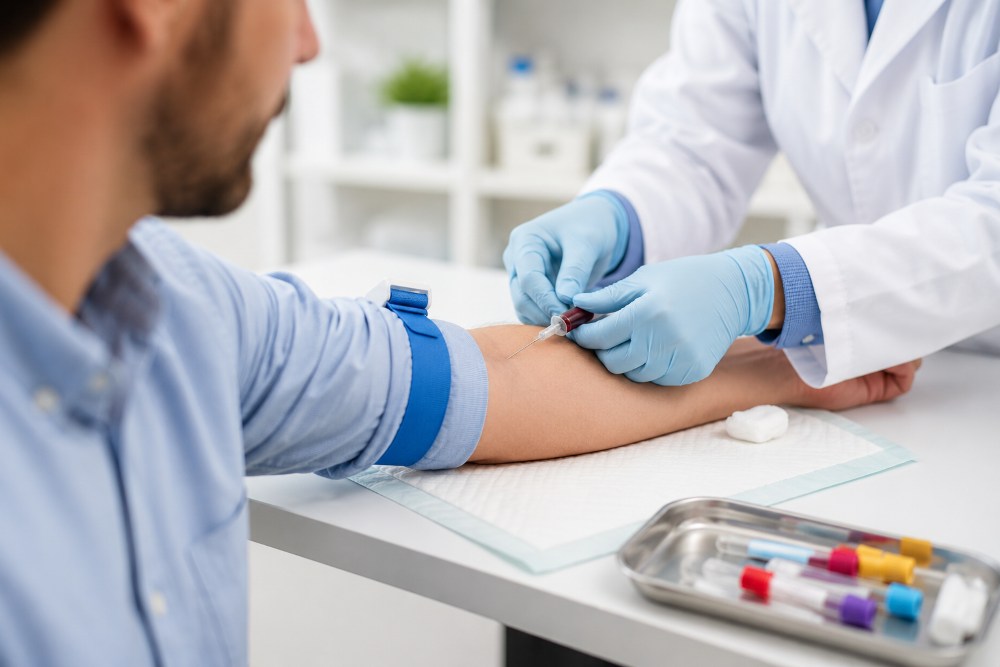
Testing hormones at the wrong time produces misleading results. Levels of cortisol, testosterone, estradiol, and other hormones shift based on time of day, menstrual cycle phase, and overall health status. This guide covers optimal testing windows by sex and life stage, what a standard panel includes, and how to prepare for results you can act on.
Hormonal imbalances occur when the body produces too much or too little of one or more hormones. Hormones regulate metabolism, mood, reproduction, sleep, and energy output. Even small deviations from optimal levels can produce noticeable symptoms across multiple body systems.
Because hormones operate in interconnected feedback loops, a shift in one often affects others. Hormonal imbalances rarely present as a single isolated symptom, which is why clinical testing produces more reliable answers than symptom tracking alone.
The most common reasons for hormonal imbalance include age-related hormone decline, chronic stress, thyroid dysfunction, and underlying metabolic conditions. Some causes are modifiable; others are physiological and progressive.
Symptoms of hormone imbalance vary depending on which hormone is affected and the individual’s sex and age. Symptom clusters over time are more diagnostically meaningful than any single symptom in isolation.
Category | Common Symptoms |
Energy and metabolism | Persistent fatigue, unexplained weight gain or loss, slow recovery |
Mood and cognition | Anxiety, low mood, brain fog, irritability, memory lapses |
Sexual health | Low libido, erectile dysfunction, vaginal dryness, irregular periods |
Physical changes | Hair thinning, dry skin, reduced muscle mass, increased body fat |
Sleep | Insomnia, night sweats, difficulty maintaining sleep |
Women most commonly experience hormonal imbalance as irregular periods, hot flashes, mood swings, and low libido. These symptoms frequently overlap with perimenopause, thyroid dysfunction, and PCOS, making clinical testing essential for accurate differentiation.
Hormonal imbalance in men most commonly presents as low energy, reduced muscle mass, increased body fat, low libido, and mood changes. These symptoms are frequently attributed to normal aging but often reflect measurable hormonal shifts that respond to clinical evaluation.
A complete panel for men includes testosterone (total and free), LH, FSH, SHBG, estradiol, and thyroid markers for a full clinical picture.
The best time to test for hormone imbalance depends on the specific hormone, the individual’s sex, and cycle phase for women. Timing errors are among the most preventable causes of inconclusive lab results. Most panels should be drawn in the morning under fasting conditions.
Yes. Cortisol and testosterone peak in the early morning and decline significantly by afternoon. Drawing blood outside the recommended window can meaningfully alter results.
Hormone | Optimal Testing Window |
Cortisol | 7:00 to 9:00 AM (fasting) |
Total testosterone | 7:00 to 10:00 AM |
LH and FSH | Morning; cycle-day specific for women |
TSH (thyroid-stimulating hormone) | Morning, before thyroid medication if applicable |
Estradiol | Morning; cycle-phase dependent |
Progesterone | Morning; mid-luteal phase for women |
For women with regular cycles, test timing should align with specific cycle days. Testing at the wrong phase produces values that fall outside expected ranges for reasons unrelated to any actual imbalance.
Hormone | Recommended Cycle Day |
FSH, LH, and estradiol | Days 2 to 5 (early follicular phase) |
Progesterone | Days 19 to 22 (mid-luteal phase) |
Testosterone | Days 8 to 10, or any morning |
Thyroid panel (TSH, T3, T4) | Any day; morning preferred |
Women with irregular cycles may require LH monitoring or clinician-guided timing to identify the appropriate testing window.
Men should complete testosterone and related marker testing before 10:00 AM. Acute illness, poor sleep, and high psychological stress can temporarily suppress testosterone independent of any underlying condition. Testing during a period of stable health and consistent sleep produces a more representative baseline.
Yes. Reference ranges are age-stratified, and the clinical urgency of testing shifts across life stages.
Hormone testing is a structured clinical process. Proper sequencing ensures the right panel is ordered at the right time and that results are interpreted within the context of the individual’s symptoms and health history.

At-home kits using saliva or dried blood spot samples are available commercially. Saliva levels do not always correlate reliably with serum levels, and accuracy varies based on collection technique and handling. Clinical serum testing through a certified lab, ordered and interpreted by a licensed provider, remains the standard of care.
Testing frequency depends on age, symptoms, and whether a treatment protocol is active. For adults over 35 without a known condition, an annual or biannual baseline panel is a reasonable starting point. Patients on hormone therapy typically require testing every 3 to 6 months for monitoring and protocol adjustment.
Yes. Standard lab ranges reflect population averages, not individual optimal values. Some patients experience significant symptoms at levels that fall within the technical normal range. Clinicians experienced in hormone evaluation interpret results alongside symptoms and overall health status rather than relying on lab ranges alone.
Many medically indicated panels are covered by insurance when ordered in response to documented symptoms and supported by appropriate diagnosis codes. Coverage varies by plan and panel. A licensed clinician can advise on what may qualify before panels are ordered.
Beyond Biology is a physician-guided wellness clinic in Maricopa, Arizona, offering hormone evaluation and optimization protocols for adults throughout the state. Telehealth appointments are available for patients across Arizona.
If you have been experiencing symptoms of hormone imbalance, a clinical evaluation is the appropriate first step toward answers.
This article is for informational and educational purposes only and does not constitute medical advice, diagnosis, or treatment. Hormone testing and therapy may not be appropriate for everyone. Always consult a qualified healthcare professional before making decisions about hormone evaluation or treatment.